QU'EST-CE QUE L'AMOUR ? | OPÉRA DE CHAMBRE
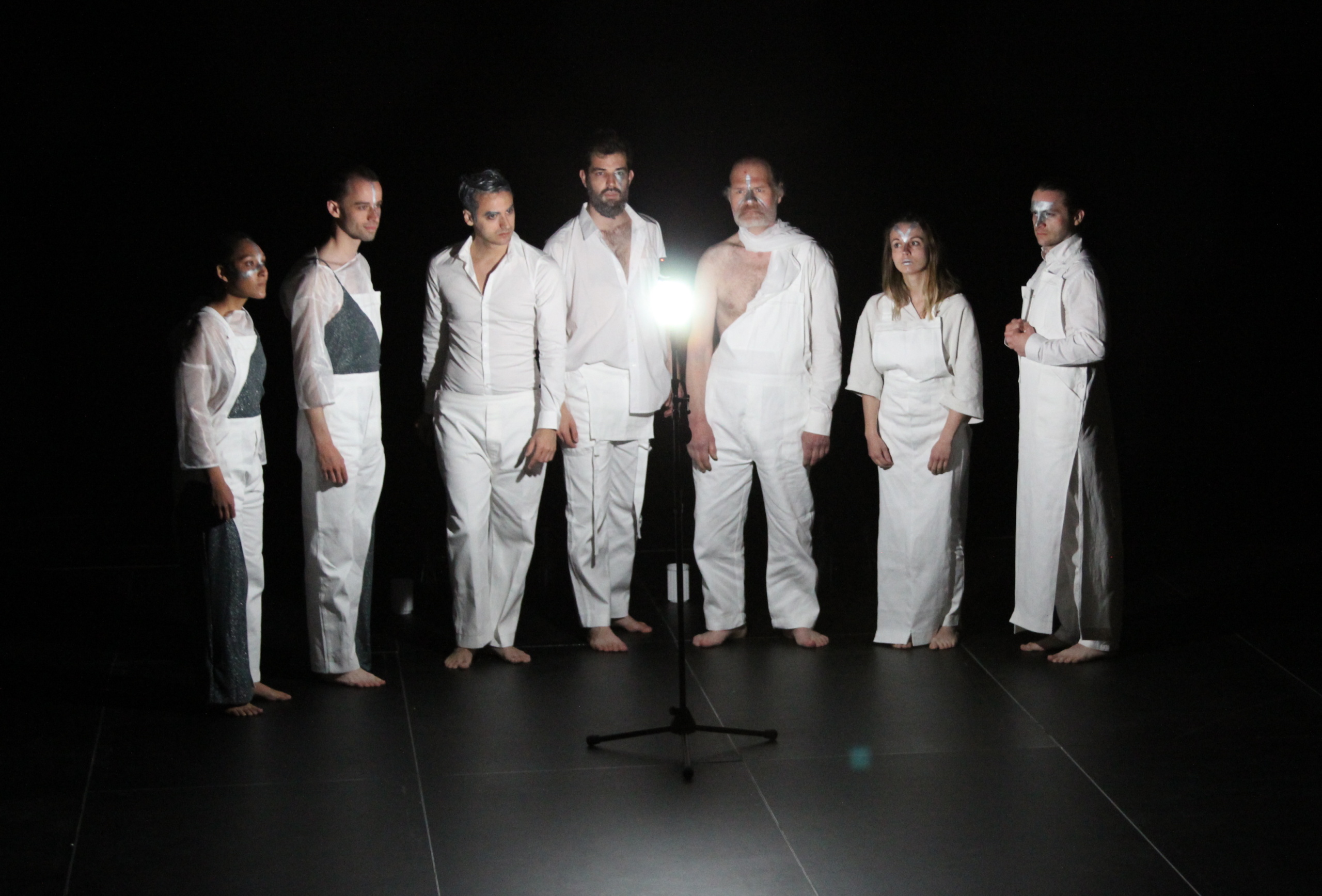
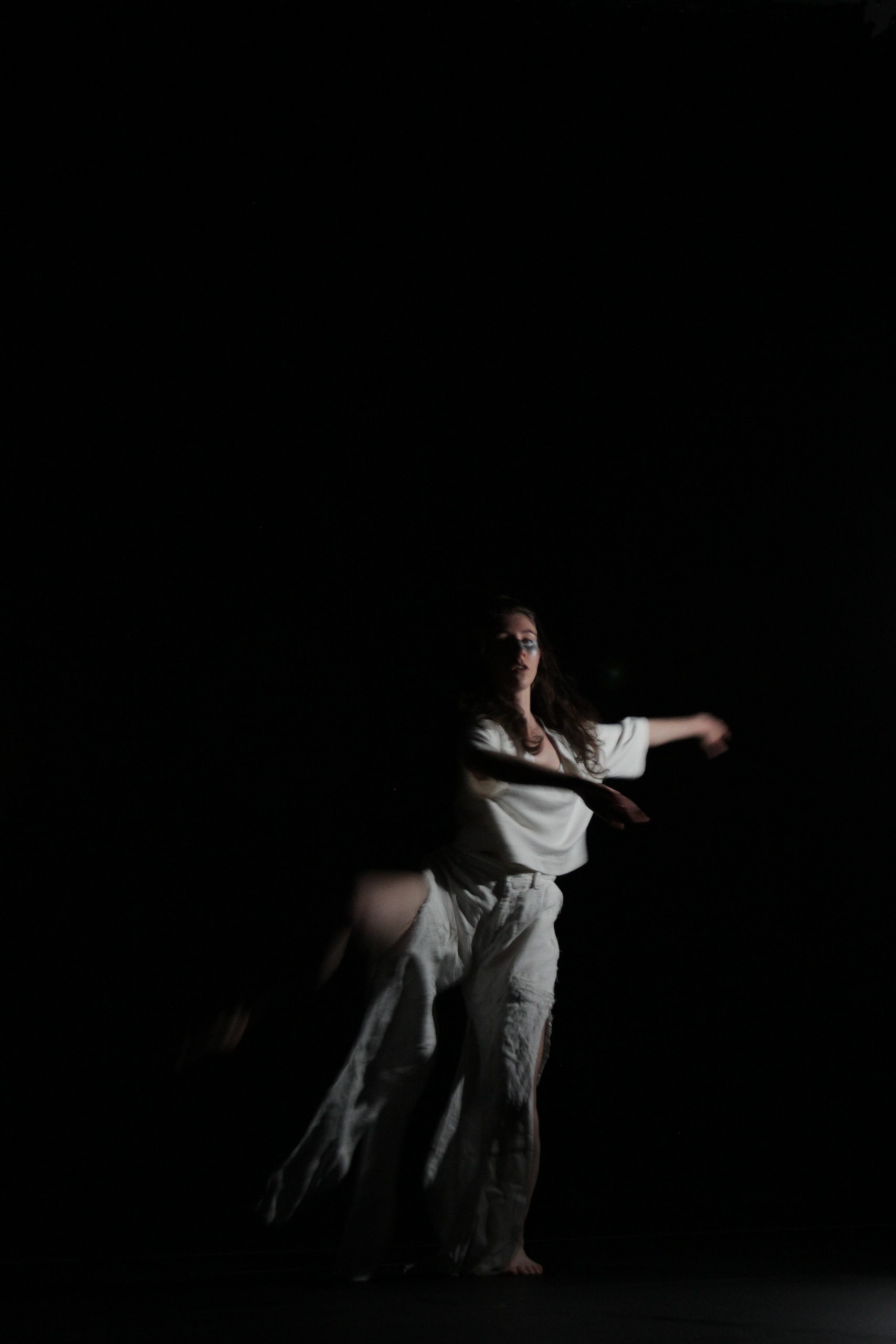
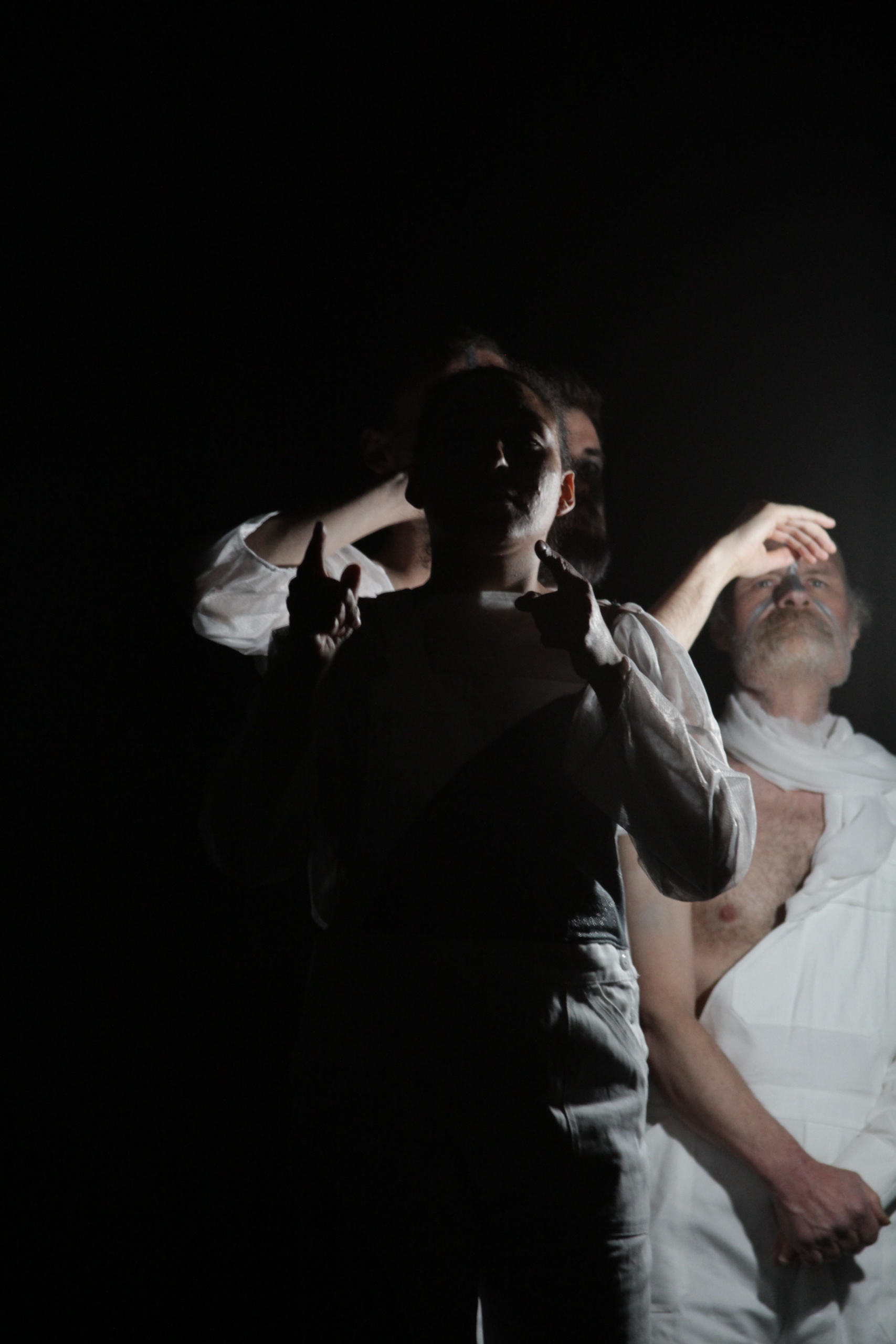
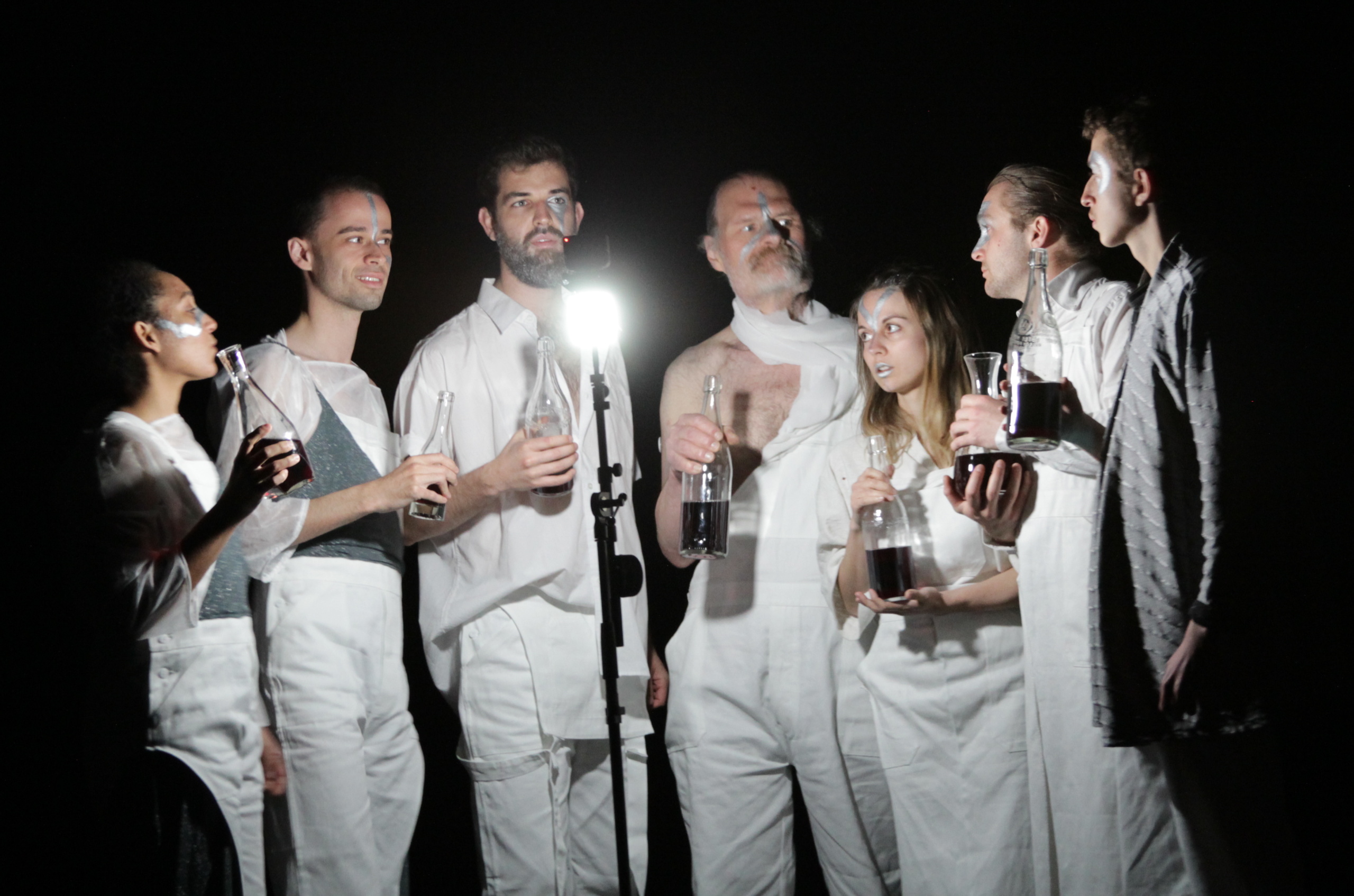
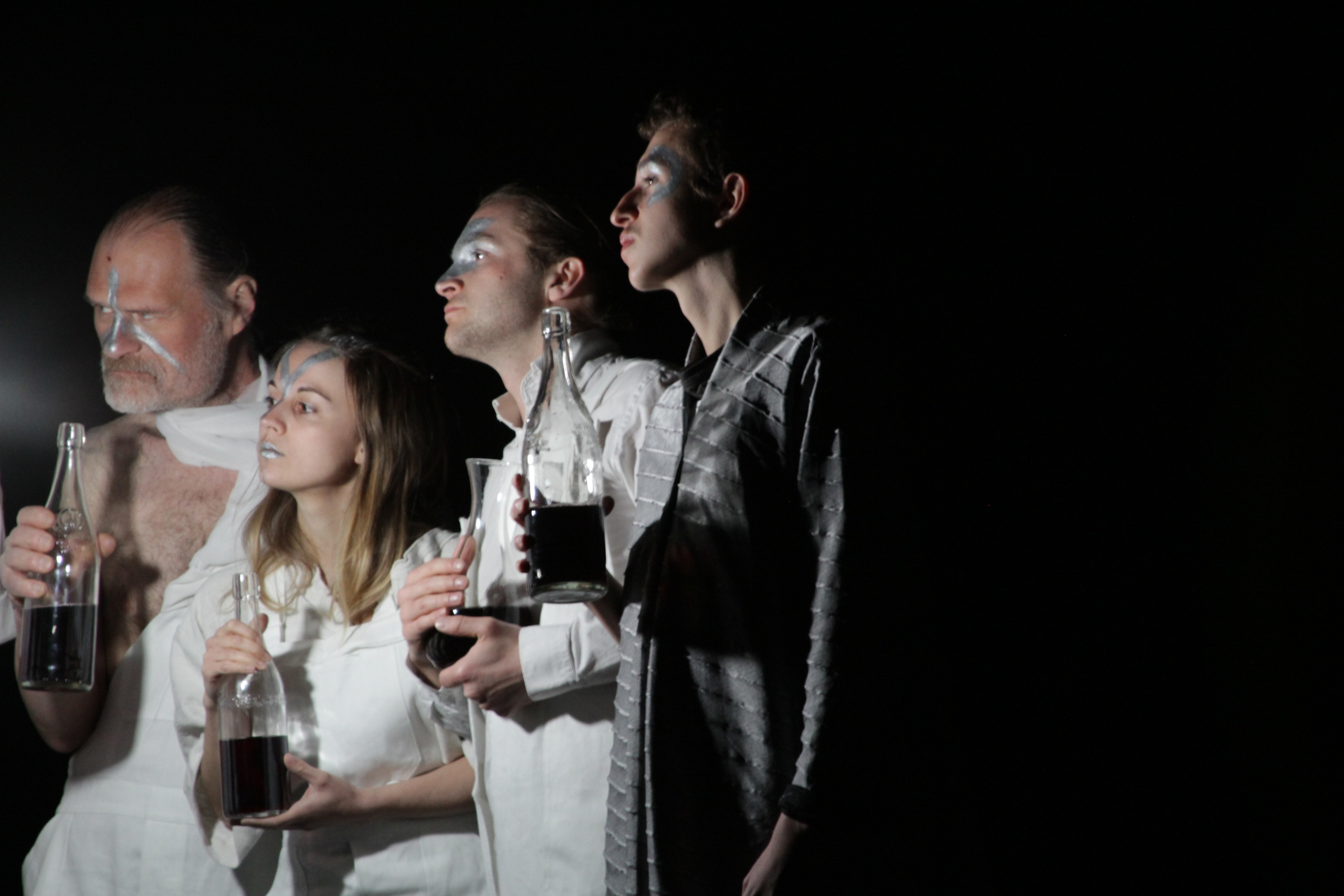
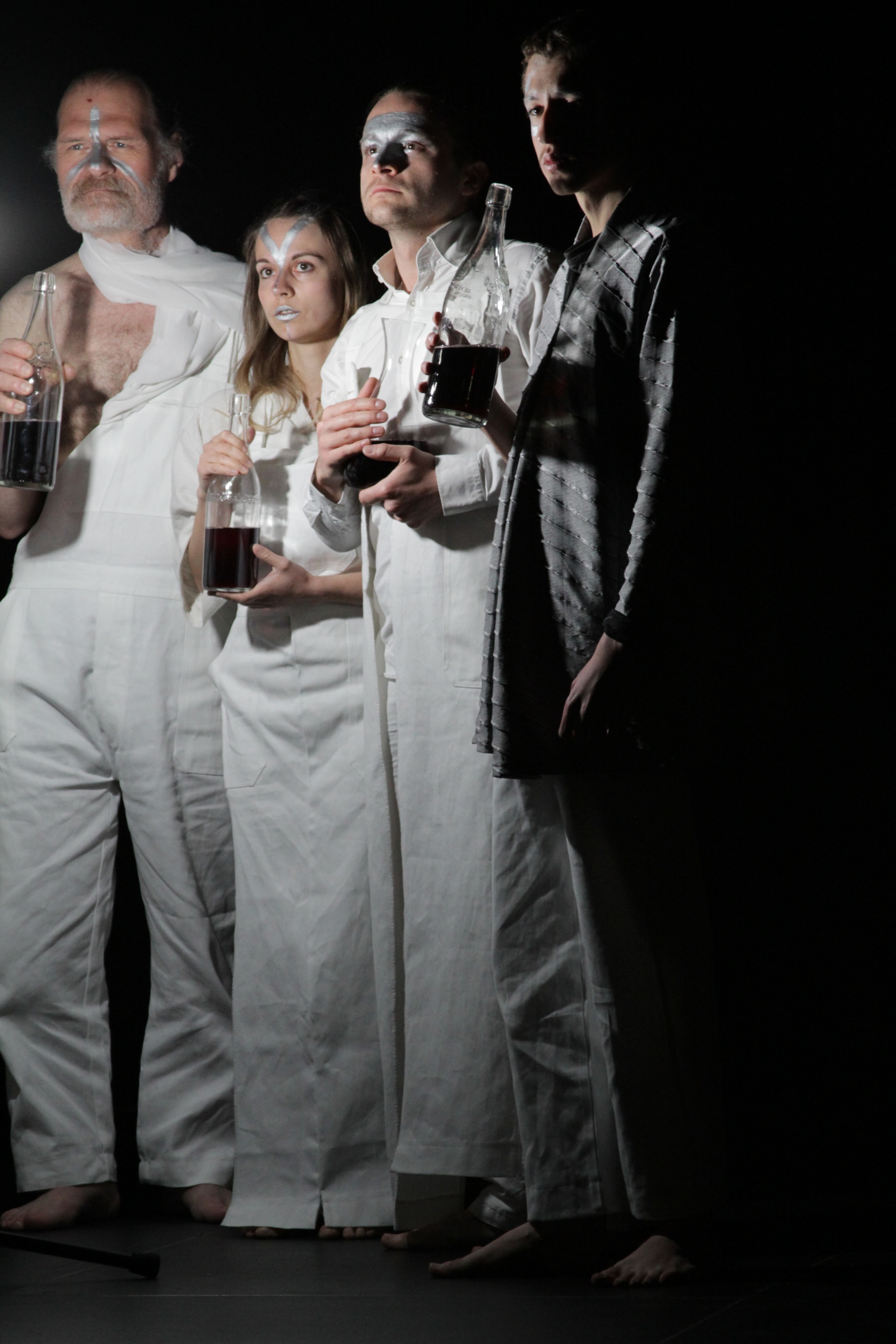
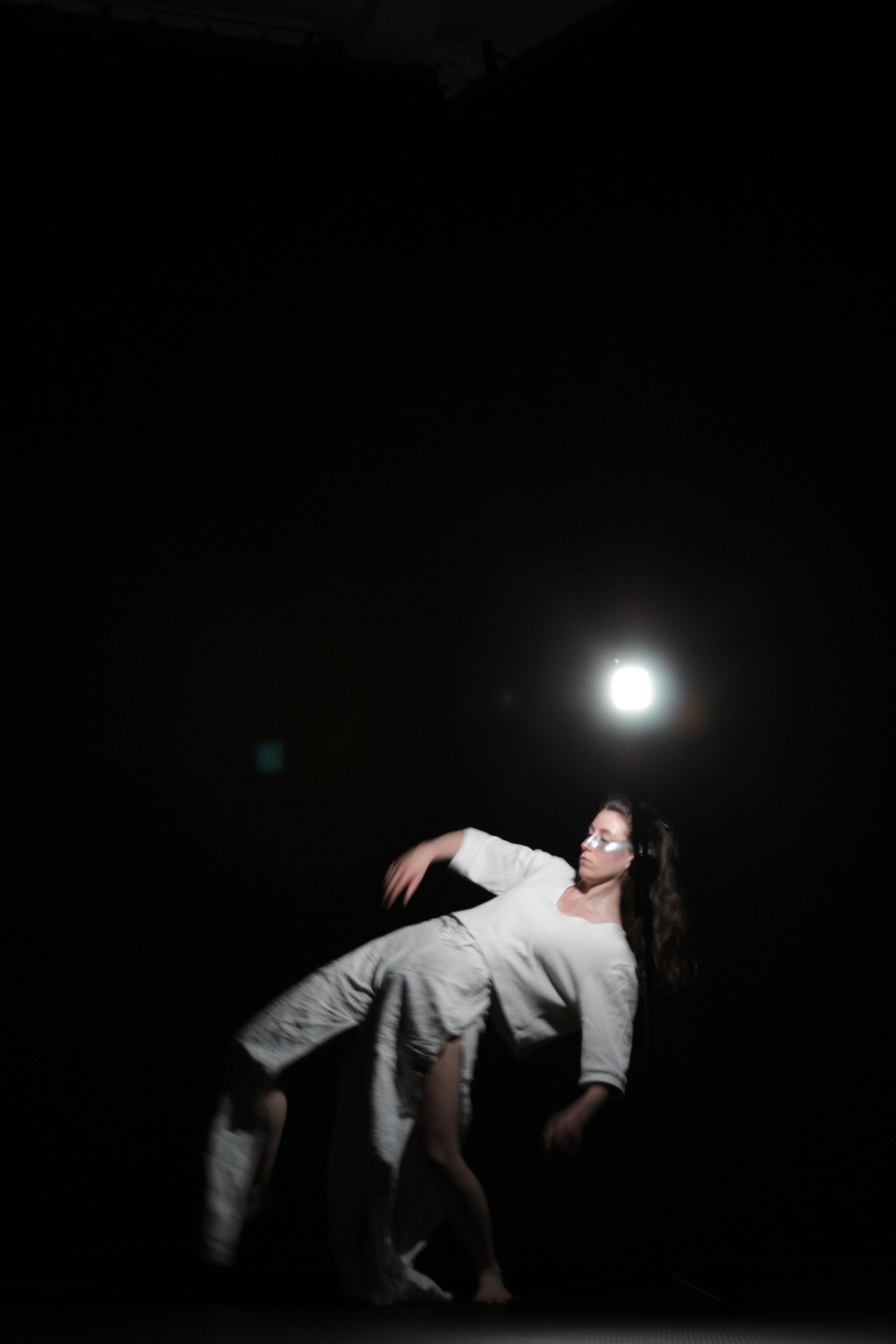
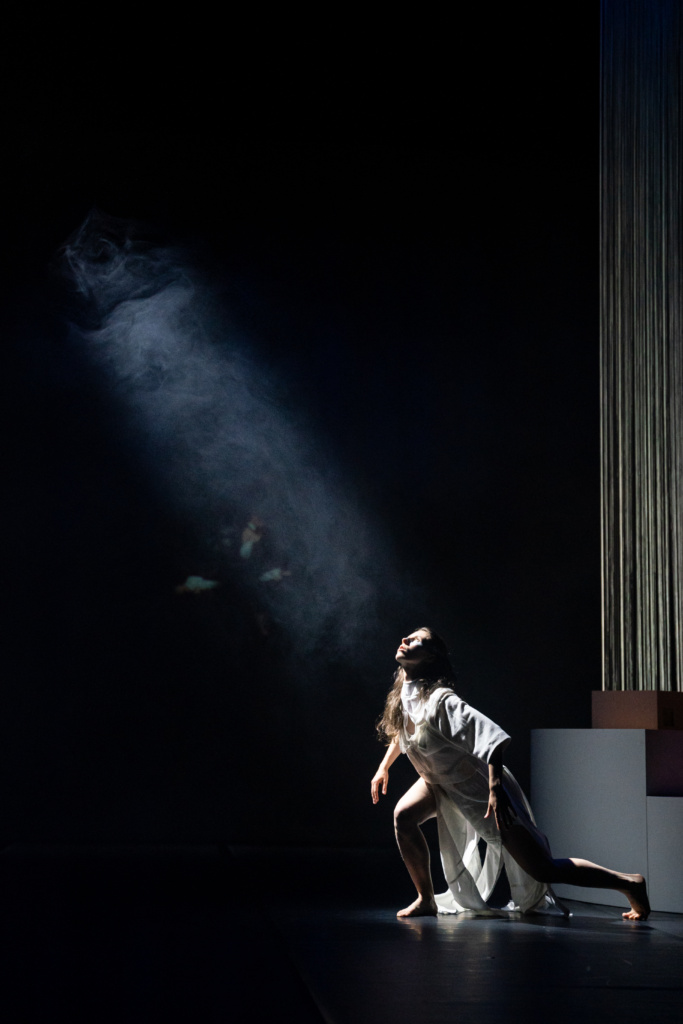
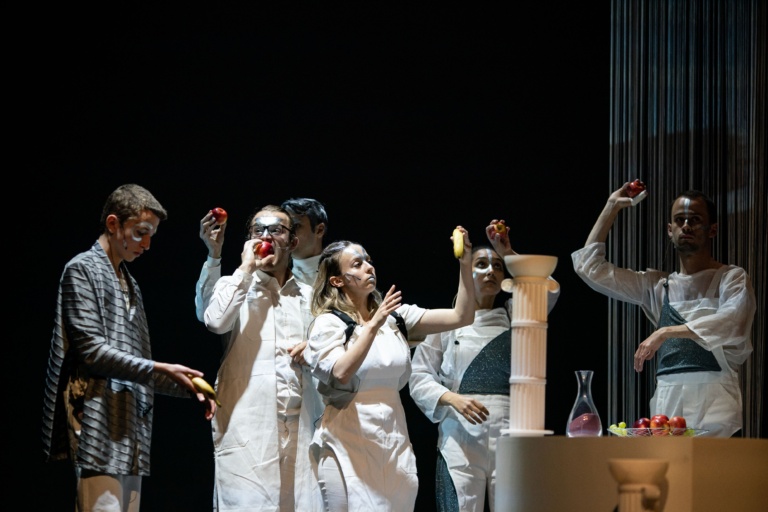
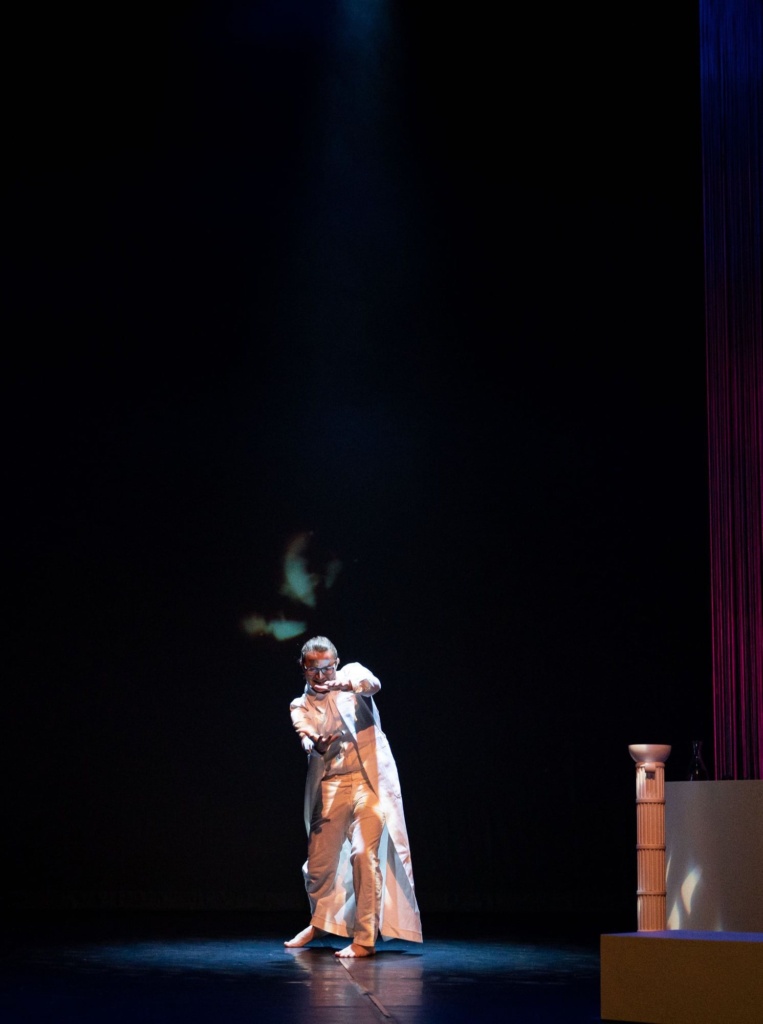
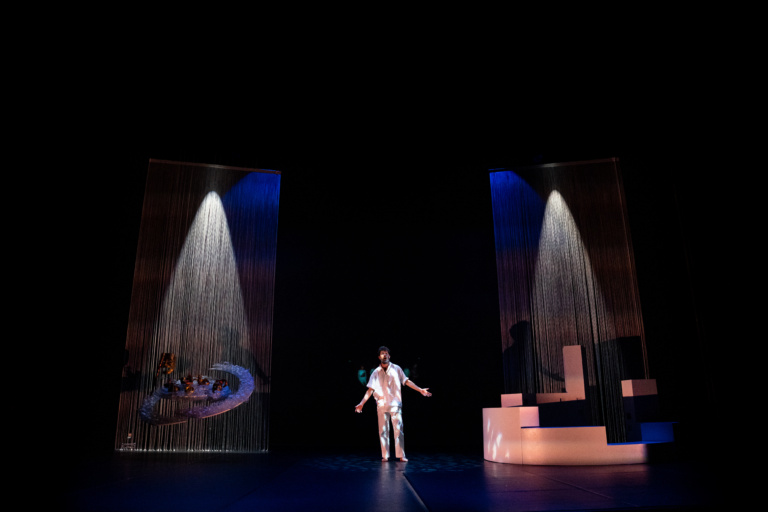
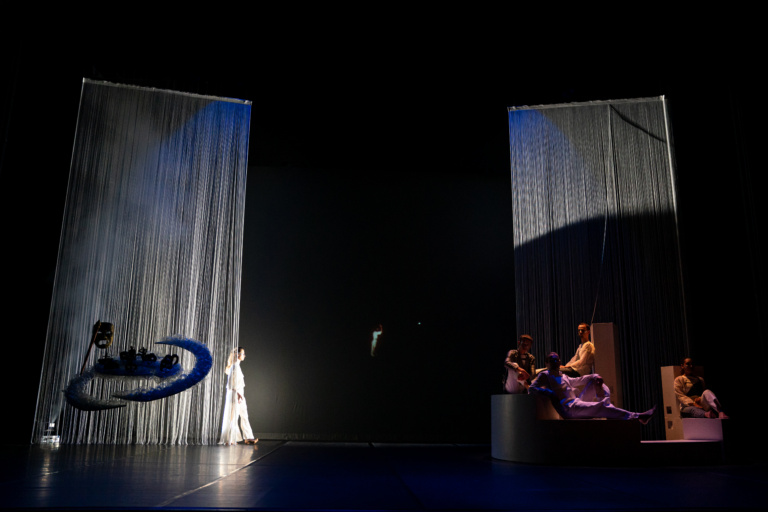
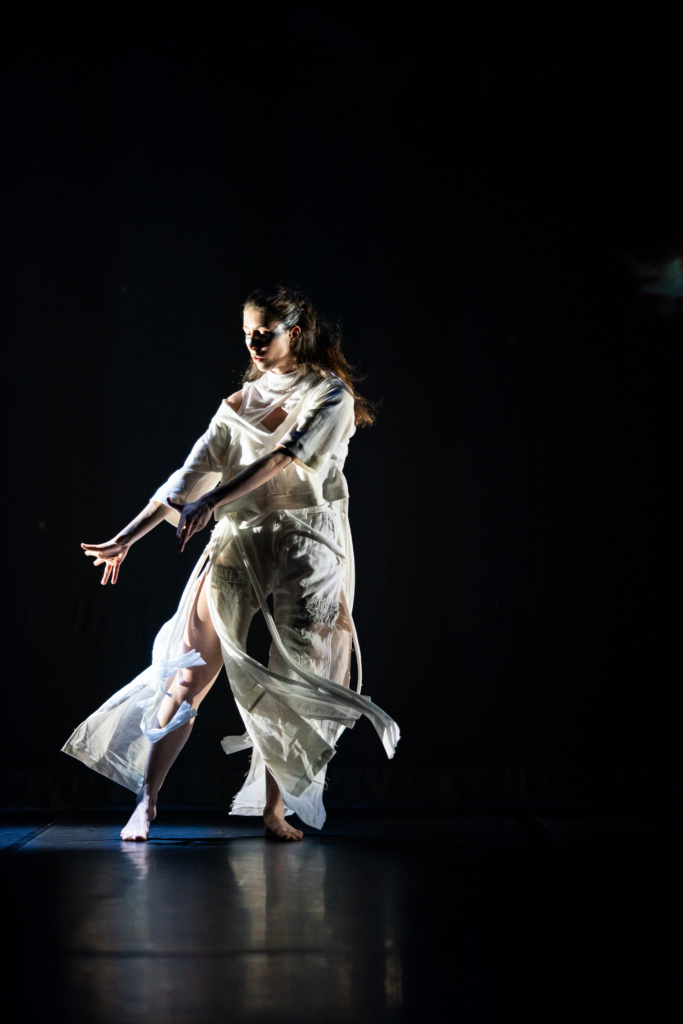
Invited to a feast, Socrates is the one who listens; he observes the others through the prism of his own desire, embodied by the dance. Socrates is at once the fantasised object of amorous desire and desire itself, both coveted by his friends, who, speaking one after another, attempt to seduce him.
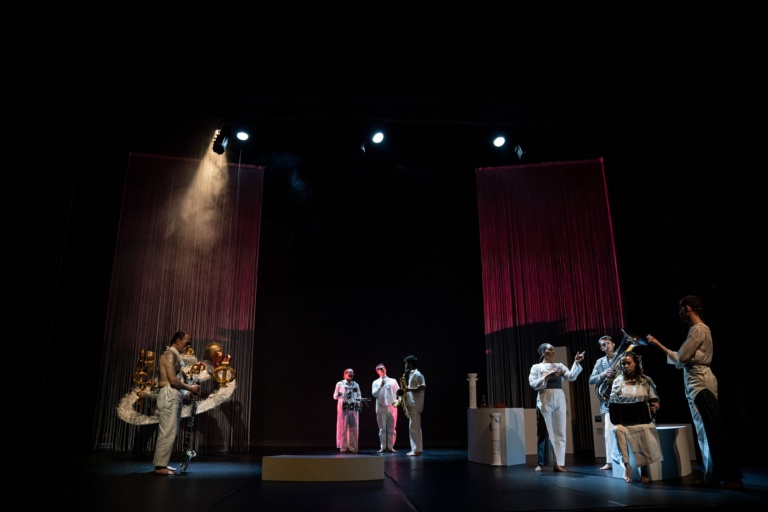
“Qu’est-ce que l’Amour ?” is a reinterpretation of Plato’s Symposium in the form of a chamber opera project performed by musicians, singers, and dancers, thus recreating the atmosphere of those festive nights, whose verbal jousting was their essence.
Video and electronics, presented throughout the performance, will draw the spectator into this whirlwind where music and words become one.
A renewed space-time in which acceptance will contend with opposition — an ironic understanding of Love that Socrates brings into being.
SUMMARY
Plato’s Symposium is a dialogue written around 380 BC. Here, Socrates, invited to a feast, meets up with friends. Over the course of the evening, the guests decide to take turns speaking, answering the question Qu’est-ce que l’Amour ?” In this way, the artistic project consists of creating a chamber opera piece around the theme of “love,” using certain dialogues from the characters of the Symposium, conveyed mainly through live and recorded voice (spoken and sung).
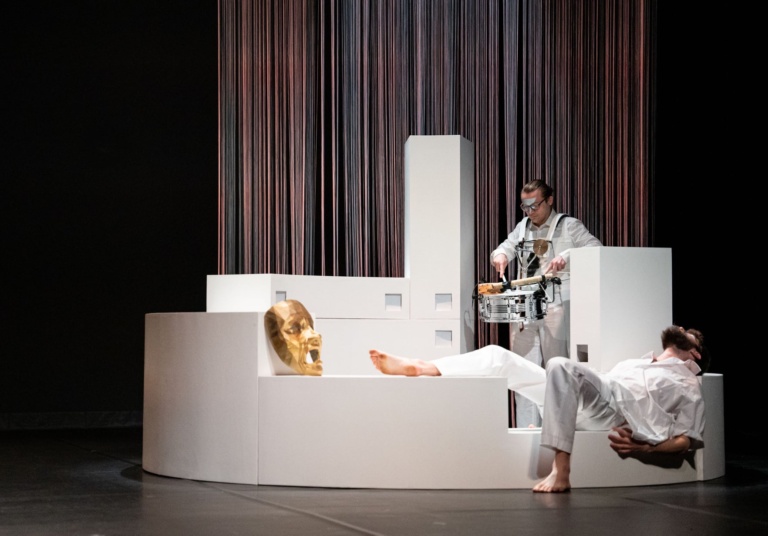
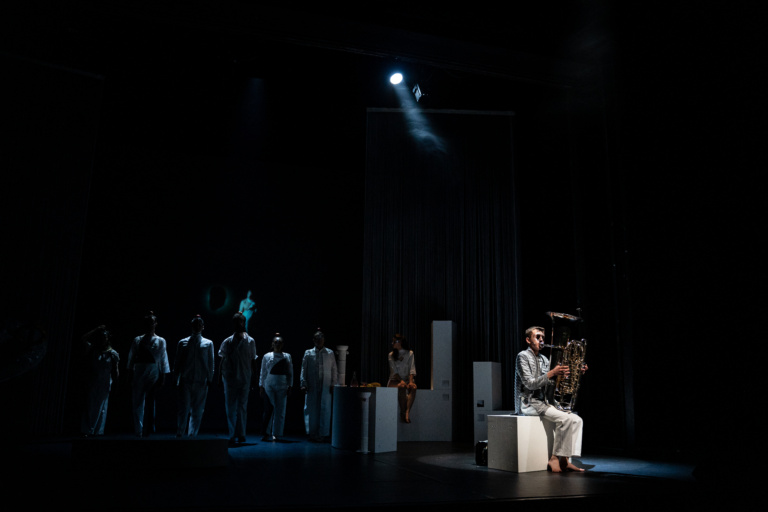
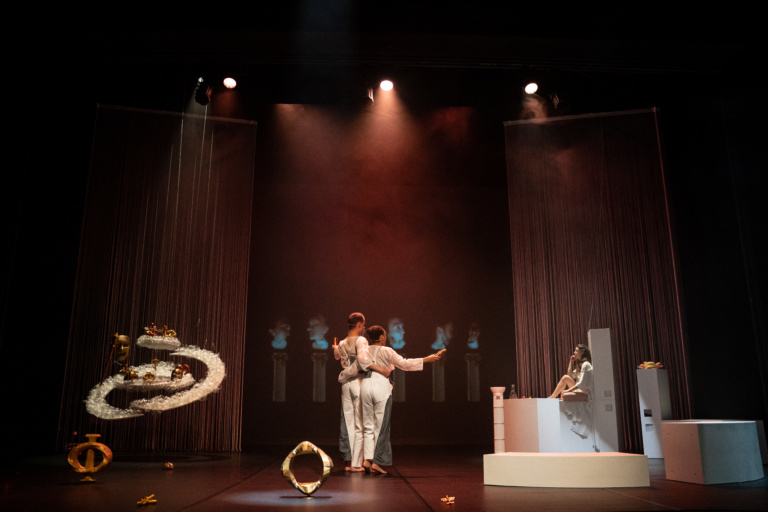
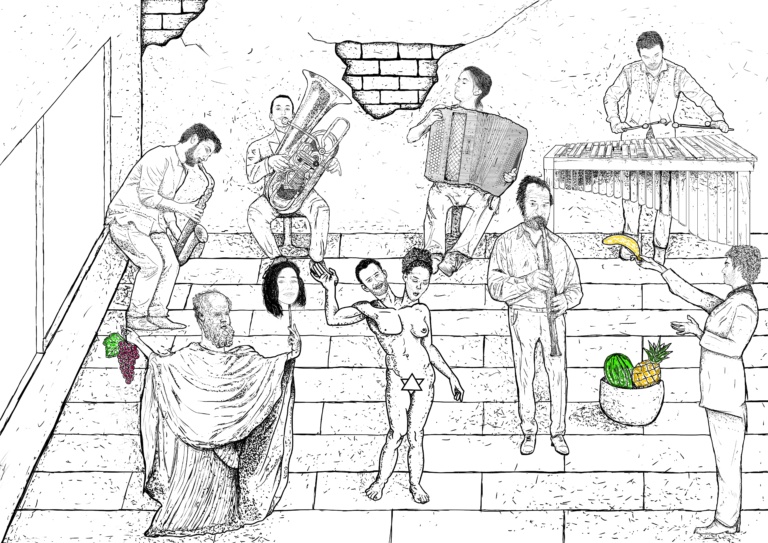
This project is made by the following performers: dancer, soprano voice, tenor voice, clarinet, saxophone, tuba, percussion, accordion, and conductor. Moreover, each instrumentalist in turn plays a character from the Symposium, exploring this way the territory of the musician-actor pairing.
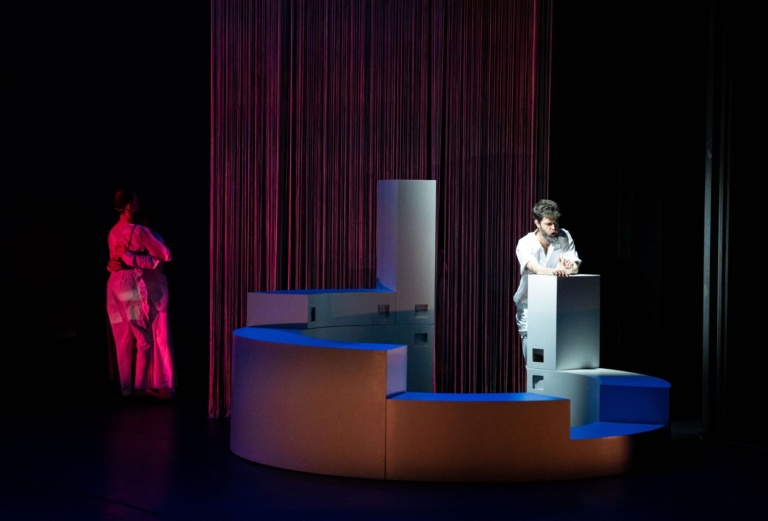
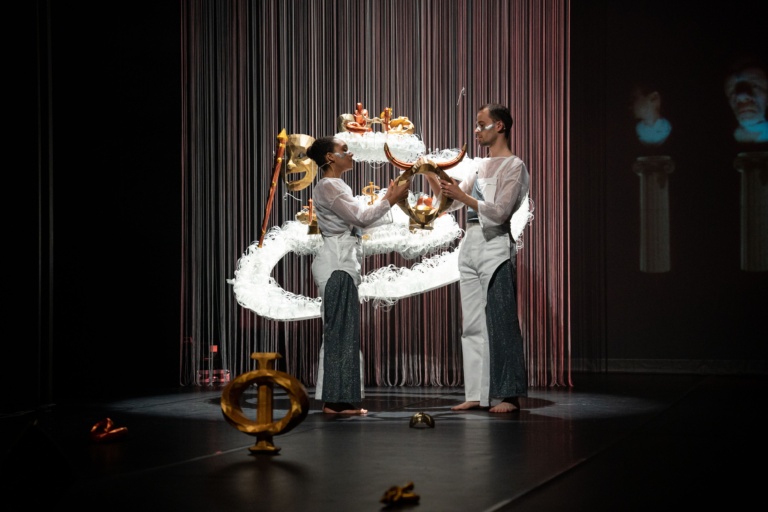
“Qu’est-ce que l’Amour ?” also calls for the use of electronic music and video, which will be essential parts of the operatic work’s unfolding. This project seeks to highlight the various connections between the characters and the artistic languages used, with video allowing movement from one to another, bringing out a dialectic between all the elements of the show. The video creates a thread linking all the disciplines through 3D animation and 360º video footage, which develops in different ways in each scene. At the same time, the 3D animations displayed on screen come to life on stage through 3D printouts of these same objects. In this way, a surrealist universe unique to this show is built.
Thus, music and video propose, in a certain way, the knot at the core of Platonic thought: duality. Consequently, the opera expresses a continuous relationship between the inside and the outside, accompanied by the entrances and exits of the characters from the stage, from the video, and between acoustic sound and electronic sound, creating a kind of Borromean knot between the actions carried out in the performance.
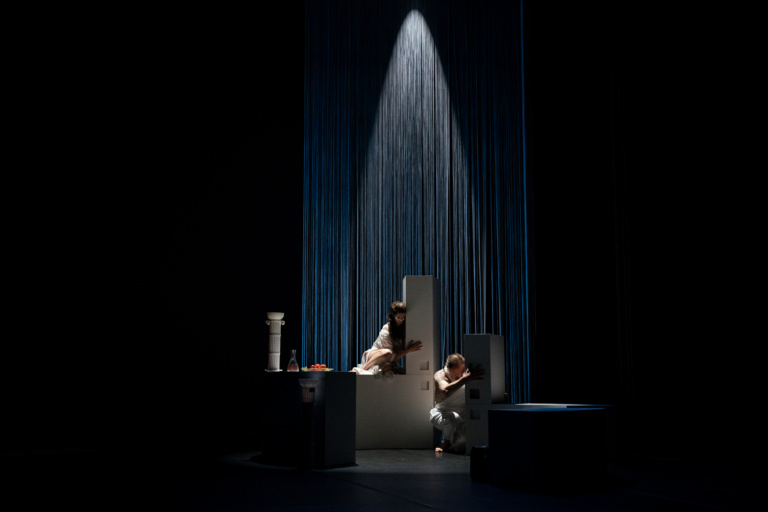
PERFORMANCE PHOTOS
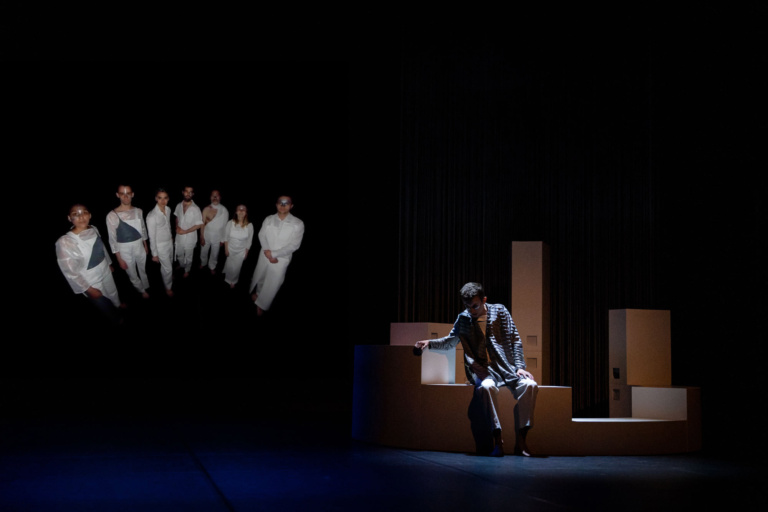
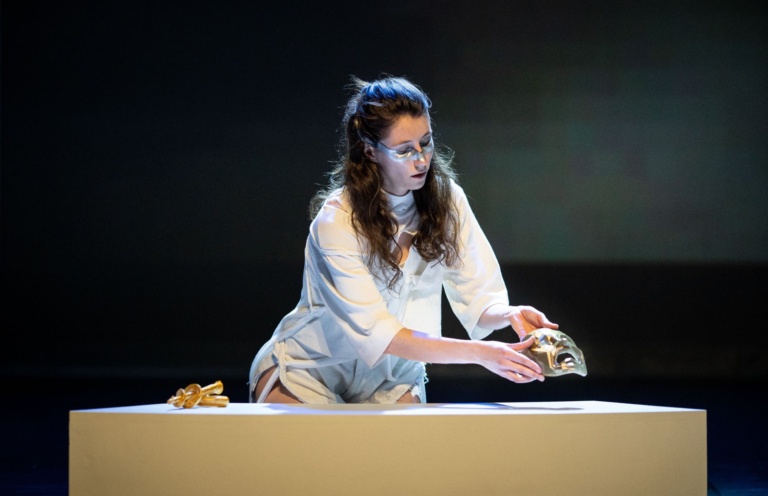
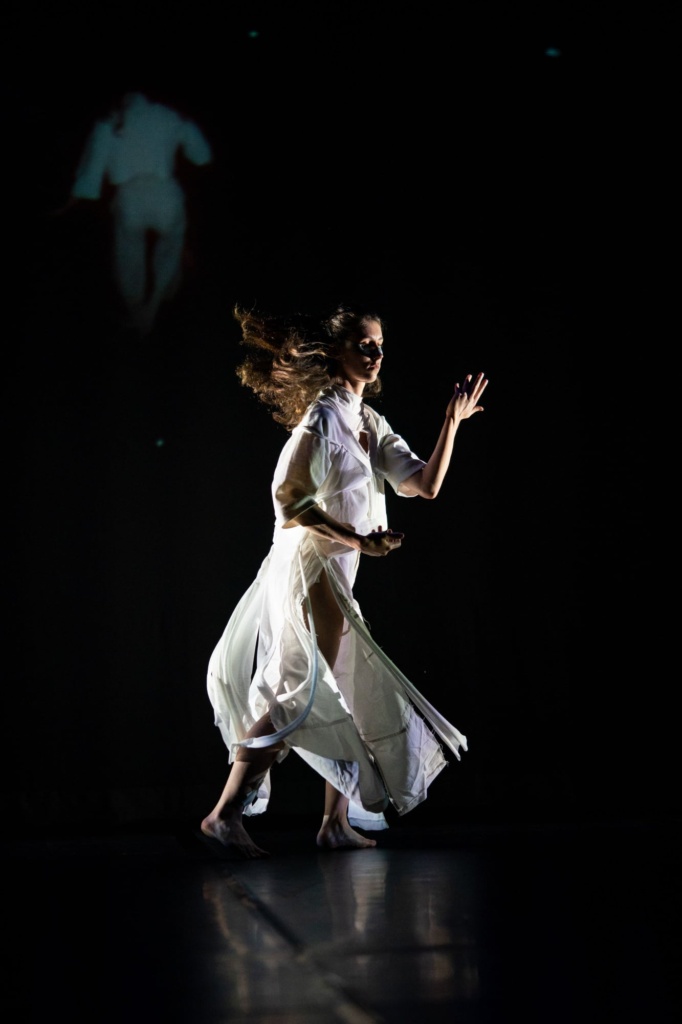
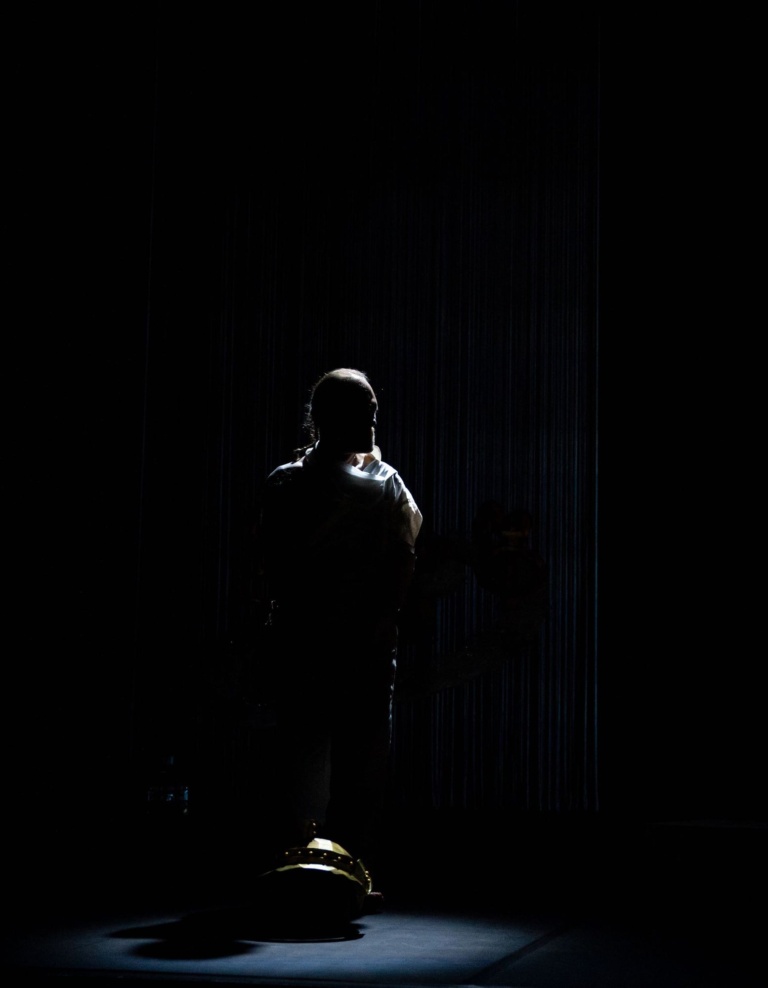
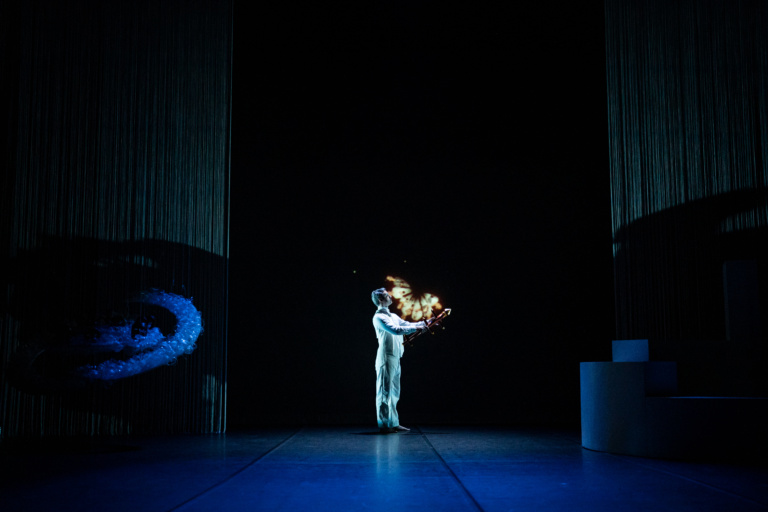
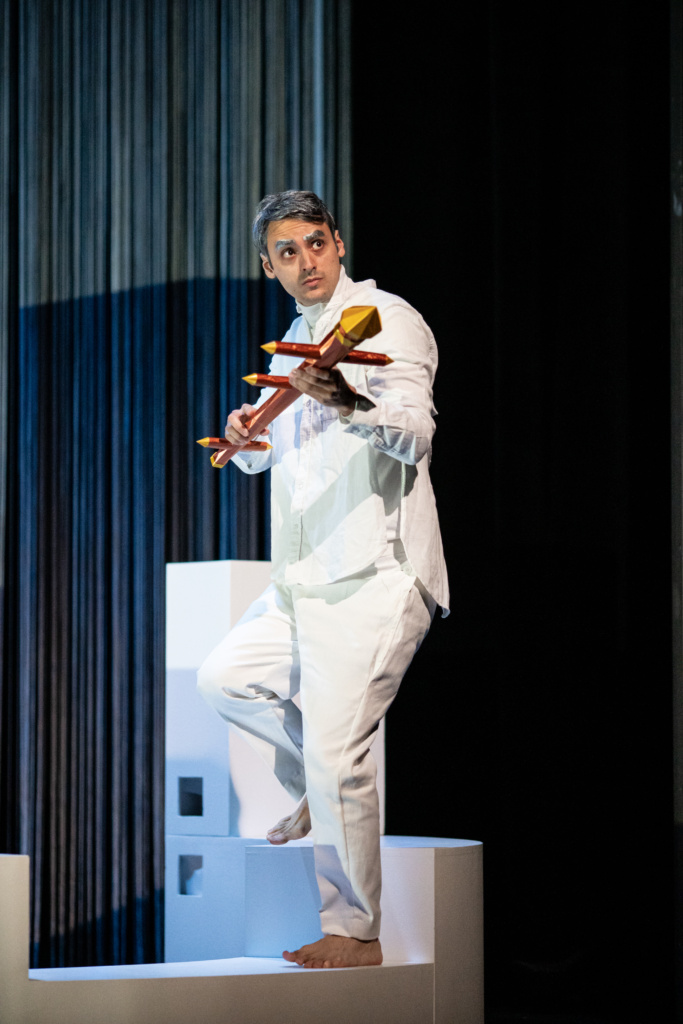
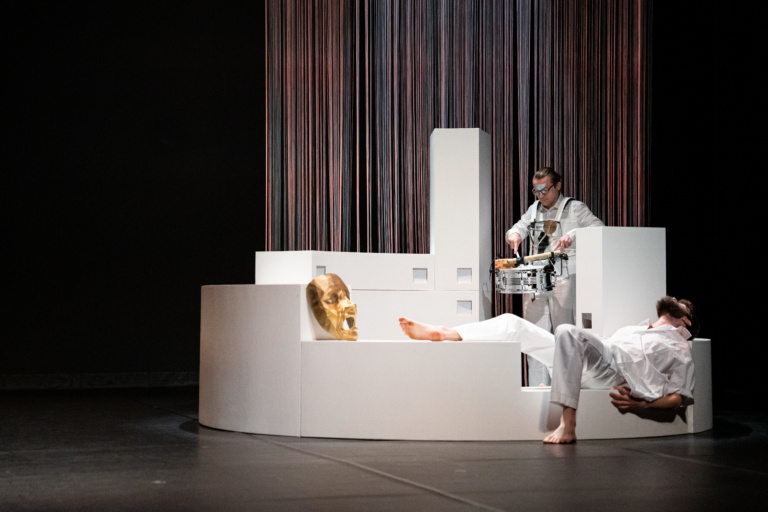
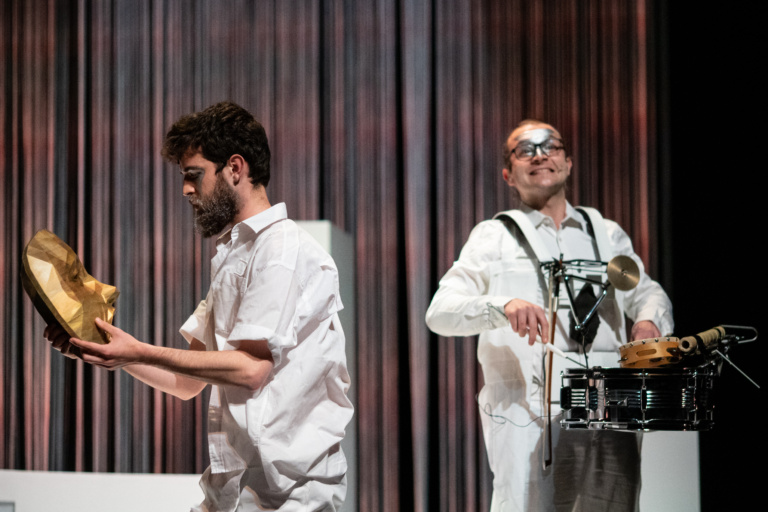
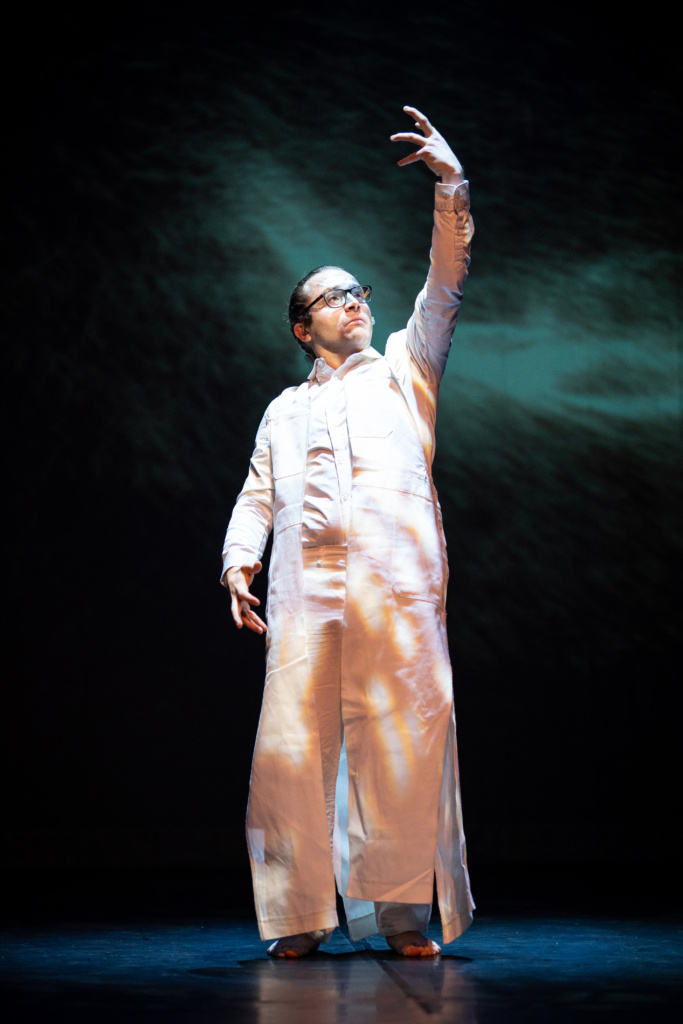
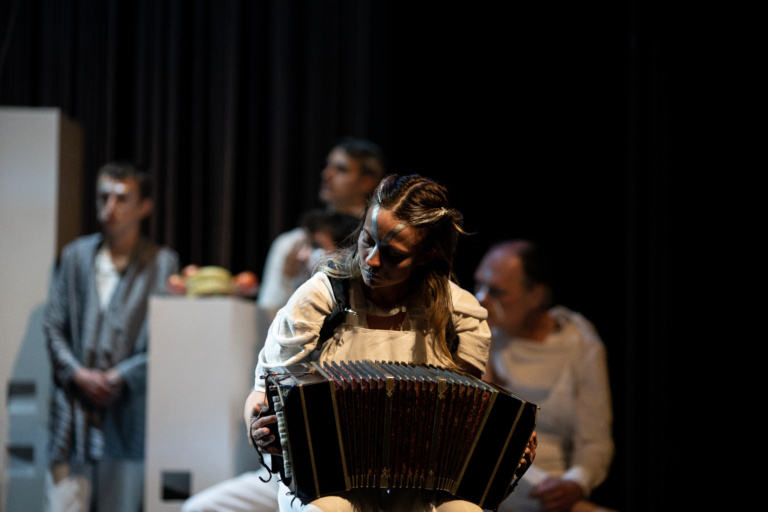
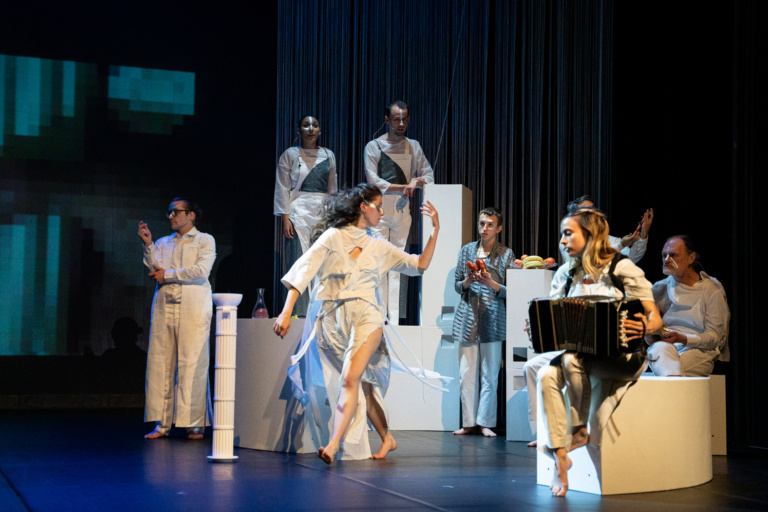
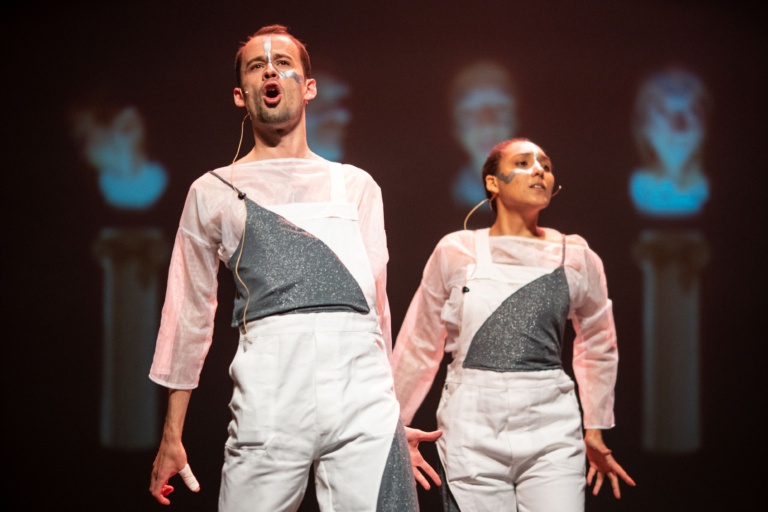
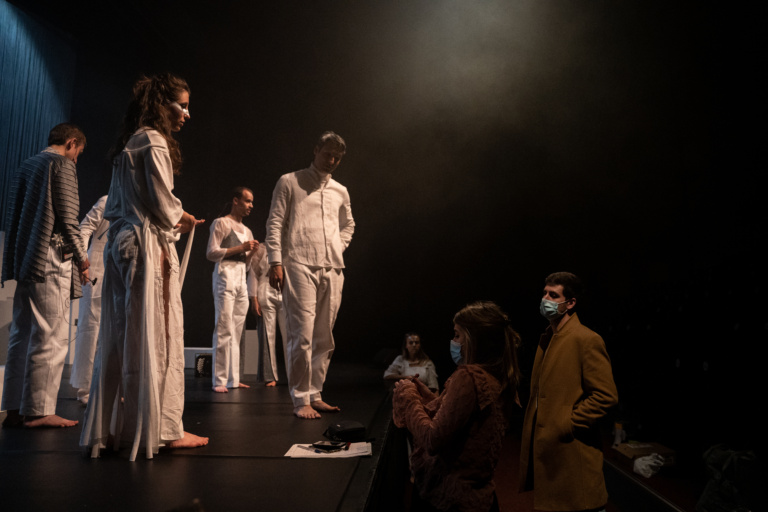
CREDITS
QU’EST-CE QUE L’AMOUR ?
Opera and film by Demian Rudel Rey
Libretto | Éric Dayre, based on Plato’s “The Symposium”
Concept | Demian Rudel Rey and Rocío Cano Valiño
PROJECT SUPPORTED BY THE FRANCIS AND MICA SALABERT FOUNDATION
- Composition, artistic and musical direction | Demian Rudel Rey
- Set design and 3D objects | Rocío Cano Valiño
- Stage direction | Juliette Müller Kos
- Choreography | Héloïse Larue
- Video creation and production | Demian Rudel Rey
- Lighting design and makeup | Rocío Cano Valiño
- Costumes | Céleste Fournier and Marnie Langlois
- Illustrations | Ivo Patrignani
- Socrates, dance | Héloïse Larue
- Agathon, soprano voice | Gabrielle Varbetian
- Agathon, baritone voice | Imanol Iraola
- Alcibiades, clarinets | Sergio Menozzi
- Aristophanes, saxophones | Rémi Tripodi
- Pausanias, tuba | Côme Boutella
- Eryximachus, percussion | Louis Domallain
- Diotima, accordion | Lisa Heute
- Phaedrus, direction | Demian Rudel Rey
- General stage management | Cyprien Finta
- Stage management | Jean-Pierre del Rosso
- Sound management | Baptiste Poulain
- Lighting management | Franck Dusseux
- Sound diffusion | Rocío Cano Valiño
- Audiovisual technician | Vincent Portes
- Artistic coordination | Jean Geoffroy
- Editing, cutting, and mixing | Demian Rudel Rey
- Camera operator | EICAR Lyon
- Video color grading | Rocío Cano Valiño
- Sound recording | Baptiste Poulain
- Subtitling | Demian Rudel Rey
Recorded in the main hall of the Théâtre de la Renaissance on April 30, 2021 | Oullins, Lyon Metropolis
A CNSMD de Lyon production
in co-production with Théâtre de la Renaissance
Other partners
- DME Festival
- Studio Éole
- CERCC ENS Lyon
- EICAR Lyon
Acknowledgments
- Francis and Mica Salabert Foundation
- Théâtre de la Renaissance
- Franck Bedrossian
- Frank Langlois
- Jordi Batalle
- Gérard Lecointe
- Studio Éole
- DME Festival
- CERCC ENS Lyon